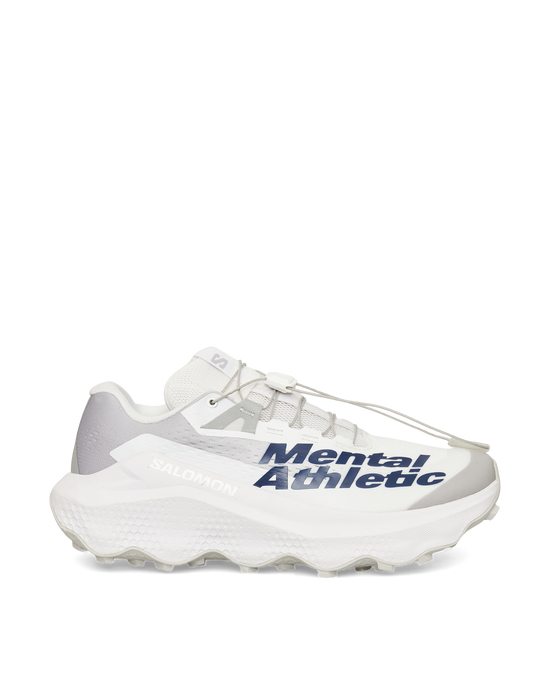





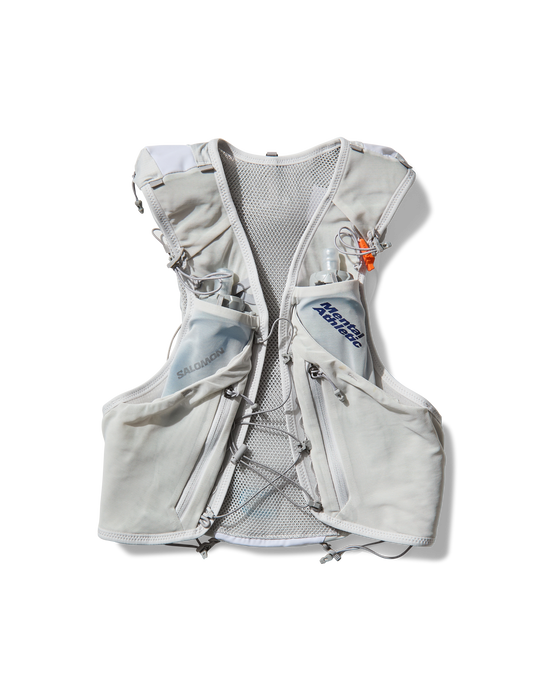

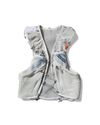





Rematch is a Paris-based archive project founded by former middle-distance runner Alexandre Selles, exploring running as a space of images, references, and shared memory. Built from a personal collection of ’80s and ’90s race tees, the project brings vintage graphics into focus through a contemporary lens, showing how effort, identity, and local culture once came together through design. Sitting somewhere between sport and visual culture, Rematch treats the race tee as a social object—shaped by community, cause, and repetition. From May 2nd to May 3rd 2026, it will be featured as one of the key protagonists of Mental Athletic’s upcoming pop-up at Slam Jam Center.
Our Pace Woven Together
Daria Miricola:
Tell me about yourself beyond running.
Alexandre Selles:
I’m a former middle-distance athlete from Paris. Sport has always structured my life, but I’ve also been drawn to the cultural and visual side of running—its codes, identities, and history.
Alongside competing, I started collecting vintage running pieces from the ’80s and ’90s. It became a way to explore running beyond performance, as a cultural language.
My time as a student-athlete at LSU in the U.S. also shaped this perspective. There, sport felt embedded in collective identity, not just competition. Today, with Rematch, I try to tell running from that inside perspective—both athletic and cultural.
DM:
How did Rematch begin?
AS:
It started about a year ago from my personal archive of vintage running tees. I felt this visual history was being overlooked, especially in Europe, so I began sharing it locally in Paris.
Early presentations with Distance helped connect the archive to a community. From there, it naturally evolved into a project.
DM:
What does “Rematch” mean?
AS:
It’s about revisiting something and seeing it differently. In sport, a rematch is a second attempt; here, it’s about bringing past stories and visuals back into the present. It also reflects running itself—repetition, returning, trying again.

DM:
Where does your research focus?
AS:
Mainly the United States. Race merchandising there has a unique depth—events understood early on that graphics could build memory and identity.
What interests me most is the diversity: small local races, schools, big-city marathons—all with distinct visual languages.
DM:
Which eras define your archive?
AS:
Mostly the ’80s and ’90s. The ’80s feel more restrained—fitted garments, fewer sponsors, more room for graphic experimentation, often tied to local identities.
In the ’90s, everything becomes bolder: stronger colors, more expressive graphics. It reflects a moment when running culture felt highly visible and confident.
DM:
Favorite pieces?
AS:
I’m particularly drawn to message tees—direct, sometimes harsh, but very honest about the reality of sport.
I also collect Olympic-related pieces, especially Team USA. They carry a personal meaning tied to my own athletic ambitions.
Some of my most interesting items are Atlanta ’96 bootleg tees. Because they weren’t official, their designs are often more experimental and unexpected.
DM:
Your icons?
AS:
Many come from American sports culture—figures who challenged conventions through style and attitude.
Mike Tyson was actually my entry point into vintage. I’m also inspired by ’90s NBA players like Dennis Rodman, and track athletes like Michael Johnson.
As for races, the New York City Marathon stands out. It’s both iconic and personal—I lived there, and it’s the city most represented in my collection.
DM:
How is running’s visual language changing?
AS:
For a while, it became more lifestyle-oriented and less connected to the reality of the sport.
Now I see a shift back toward something more direct—acknowledging effort, discipline, and difficulty. That honesty feels essential. Running is about pushing limits, and its visual language should reflect that.
DM:
How have the social meanings of marathons evolved?
AS:
Older race tees show very direct social messages—local causes, public health, community issues. They were specific and sincere.
Today, marathons are more global and centered on participation and inclusivity. The message is broader, but still powerful: running creates shared experience. It’s one of the few practices that can bring very different people together around the same effort.
Powered by Nike
